How to Choose the Best Corrugated Packaging Solutions for Your Business?
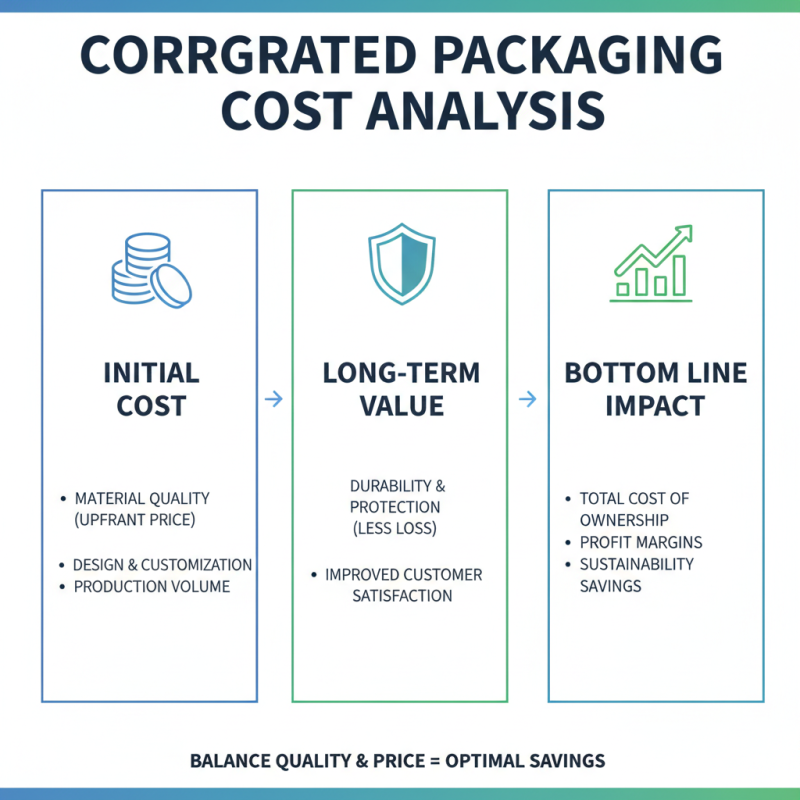
Choosing the right corrugated packaging solutions is crucial for your business’s success. The right packaging affects product protection, shipping costs, and customer satisfaction. With so many options available, making a choice can be daunting.
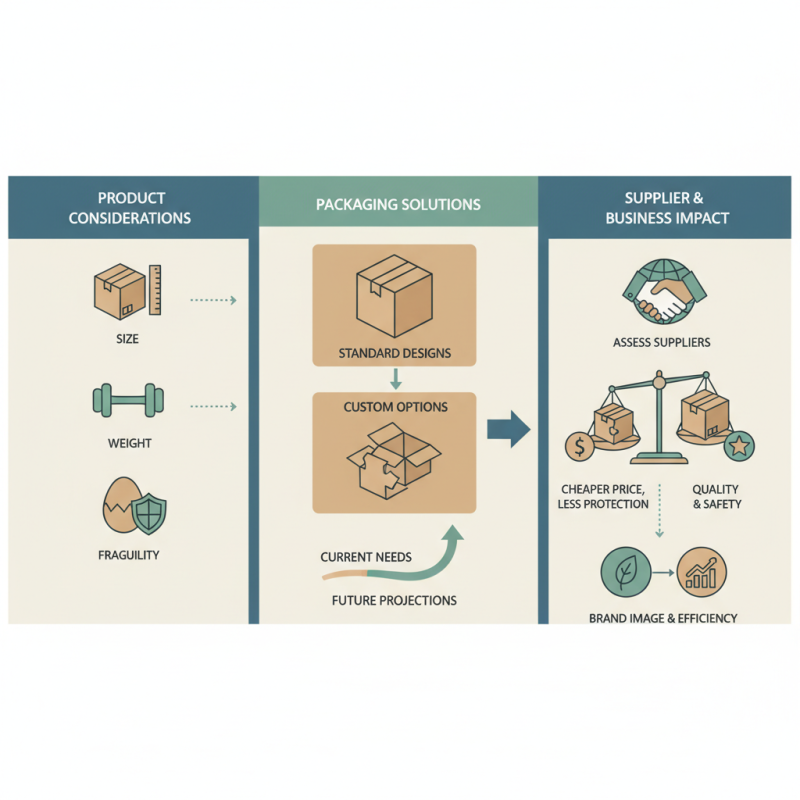
Consider the product's size, weight, and fragility when selecting corrugated packaging solutions. Different materials and designs offer varying levels of protection. You may find that a standard box works well for one product while another requires custom packaging. It's important to evaluate both your current needs and future projections.
Take time to assess your suppliers. Not all companies provide the same quality of corrugated packaging solutions. Some may offer cheaper prices, but those savings can compromise product safety. Reflect on your experiences and don't shy away from exploring new options. The right choice will enhance your brand image and improve operational efficiency.
Importance of Corrugated Packaging in the Supply Chain Industry
Corrugated packaging plays a crucial role in the supply chain industry. According to a report from the Fibre Box Association, corrugated boxes account for over 90% of all shipping containers used in North America. This is due to their strength and versatility. They protect products during transport. However, not every corrugated solution is ideal for all businesses.
The sustainability factor is increasingly important. A study by Smithers Pira highlights that the demand for sustainable packaging is expected to grow by 6.5% annually. Companies that prioritize eco-friendly solutions can improve their brand reputation. Yet, businesses often struggle to balance cost with sustainability. It’s not always easy to choose the right materials that are both efficient and eco-conscious.
Additionally, logistics challenges can arise. Efficient packing can reduce shipping costs. However, poorly designed packaging may lead to product damage. Research from the Packaging Institute indicates that 74% of consumers say packaging influences their buying decisions. Inadequate packaging can result in lost sales. Thus, selecting the right corrugated packaging is a complex necessity. Businesses must carefully assess their needs to avoid pitfalls and ensure effective supply chain management.
Key Factors to Consider When Selecting Corrugated Packaging Solutions
When selecting corrugated packaging solutions, several key factors come into play. Material strength is critical. According to a 2022 industry report, demand for strong, durable materials has increased by 15% over the last five years. This trend reflects the need for packaging that can withstand the rigors of shipping. Choosing the right weight and thickness matters. A balance between protection and cost should be achieved.
Customizability is another crucial factor. Businesses often need packaging tailored to specific products. Options for sizes, designs, and finishes enrich the user experience. Studies show that 70% of consumers recognize brands by packaging. A unique design can set a business apart from competitors. However, finding the right provider for these custom options can be challenging.
Sustainability is increasingly significant. Over 80% of consumers prefer brands that use eco-friendly materials. This shift impacts purchasing decisions. However, sourcing sustainable options can come with trade-offs in price and availability. Manufacturers must evaluate their supply chains critically. It is important to consider pricing versus brand values. Each choice reflects not just awareness but commitment to environmental issues.
Comparison of Different Types of Corrugated Packaging Solutions
This bar chart illustrates the cost efficiency of various corrugated packaging solutions. As seen, single wall packaging is the most cost-effective option, while triple wall packaging tends to be the most expensive, reflecting the additional materials used for durability and protection.
Understanding the Different Types of Corrugated Materials Available
When it comes to corrugated packaging, understanding the different types of materials is crucial. The primary types include single-wall, double-wall, and triple-wall corrugated cardboard. Single-wall is the most common, made of one flute between two liners. It is lightweight and suitable for general shipping needs. Double-wall and triple-wall options offer greater strength, making them ideal for heavier products or stacking during transport. According to a recent WPO report, over 85% of products are shipped in corrugated boxes, highlighting their importance in the logistics industry.
When choosing corrugated materials, consider the product's weight, size, and destination. Assessing the right flute size is vital. Flute size affects cushioning, stacking strength, and cost. For instance, B-flute is thinner, making it perfect for retail packaging, while E-flute provides a sturdy option for lighter items. It’s essential to avoid choosing materials based solely on price. Often, cheaper options may not withstand transportation stresses, leading to product damage.
Tip: Always test your packaging options. A simple drop test can reveal weaknesses.
Consider sustainability too. Eco-friendly options are becoming a priority. Corrugated materials can be recycled, contributing to a circular economy. However, not all options are easy to recycle. Some coatings may hinder recycling processes.
Tip: Look for suppliers that prioritize sustainable materials. This could make a big difference in your business’s environmental impact.
Sustainability Trends in Corrugated Packaging and Their Business Impact
Sustainability is reshaping the corrugated packaging industry. Many companies now prioritize eco-friendly materials and practices. The demand for renewable resources has increased. This shift reflects broader environmental consciousness among consumers. Companies are recognizing this need. However, achieving true sustainability can be challenging.
Adopting sustainable practices can improve a business's image. Yet, it's not without its complications. Sourcing responsibly can lead to higher initial costs. Some businesses struggle with balancing quality and eco-friendliness. While corrugated packaging is often recyclable, not all materials are created equal. Understanding local recycling capabilities is essential.
Additionally, the market is evolving quickly. New trends emerge constantly, such as biodegradable options. Businesses must stay informed to remain competitive. They should evaluate their own processes critically. It’s important to ask: are we genuinely sustainable? This self-reflection can lead to meaningful improvements in packaging strategies.
How to Choose the Best Corrugated Packaging Solutions for Your Business? - Sustainability Trends in Corrugated Packaging and Their Business Impact
| Sustainability Aspect |
Importance Rating (1-5) |
Business Impact |
Cost Implication |
Recommended Practices |
| Recyclability |
5 |
Enhances brand image and consumer loyalty |
Moderate |
Use 100% recyclable materials |
| Source of Materials |
4 |
Supports sustainable sourcing initiatives |
High |
Partner with certified suppliers |
| Carbon Footprint |
5 |
Reduces environmental impact |
Variable |
Optimize logistics and shipping methods |
| Material Efficiency |
4 |
Minimizes waste and cost |
Moderate |
Implement design for manufacturing |
| Consumer Preference |
5 |
Aligns with customer values |
Low |
Engage customers in sustainability stories |