How to Choose the Best Packaging Solutions for Your Business Needs?
Choosing the right packaging solutions is crucial for any business. It affects your product’s safety, appeal, and cost efficiency. Packaging is more than just a protective layer; it is the first impression for your customers. Thoughtfully selected packaging solutions can enhance branding and facilitate the buying experience.
Many businesses overlook the importance of packaging. They may rush to select materials without considering their target audience. This approach may lead to wasted resources and missed opportunities. Customizing packaging solutions is essential. It allows you to reflect your brand values and connect with consumers emotionally. It's not always easy to balance functionality and aesthetics.
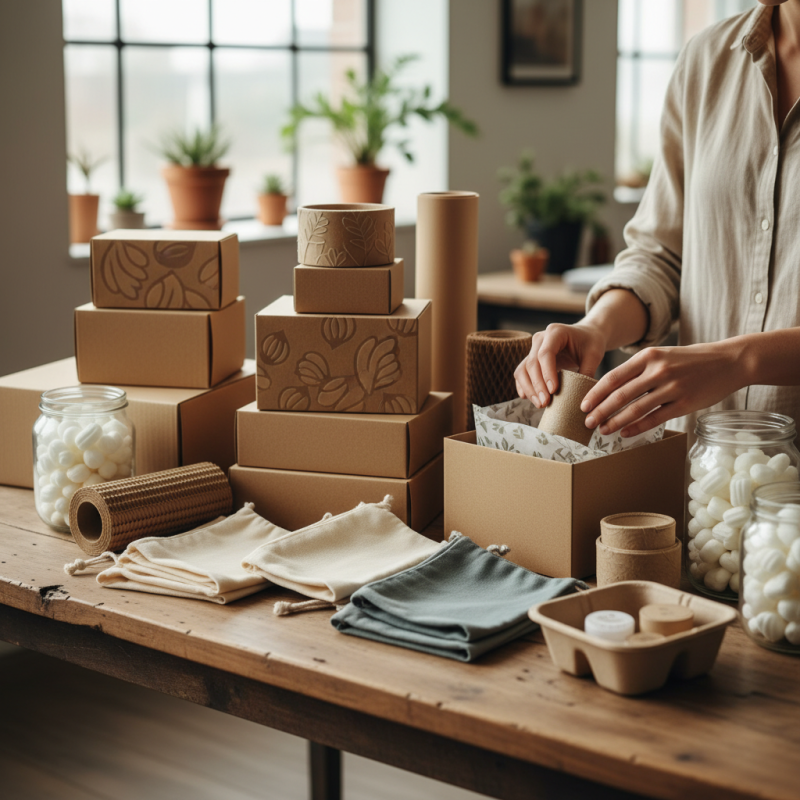
Take time to evaluate different options. Consider materials, sizes, and designs that align with your products. Explore eco-friendly alternatives that appeal to conscious consumers. Mistakes can happen when businesses focus solely on cost cutting. Reflect on your choices; the right packaging could set you apart from competitors. Think about the message your packaging sends. Your solutions should resonate with the market while meeting practical needs.
Identifying Your Business Packaging Requirements
Identifying your business packaging requirements is crucial for success. According to industry data, packaging can account for up to 30% of a product's cost. Understanding your specific needs can save money and enhance product appeal.
Consider the size and weight of your products. Packaging must be functional yet attractive. If the packaging is too bulky, it may lead to higher shipping costs. A study revealed that 72% of consumers have made purchasing decisions based on packaging. This shows the impact of packaging on sales. Use materials that align with your brand's values. Eco-friendly options are gaining popularity, appealing to environmentally conscious consumers.
Tips: Always conduct market research. Gather feedback from potential customers. This insight can refine your packaging strategy, ensuring it meets customer desires. Also, remember to test packaging durability. If it fails to protect your products, that could lead to customer dissatisfaction. Adjustments might be necessary for optimal results. Embrace flexibility and be open to change as your business evolves.
Understanding Different Types of Packaging Materials
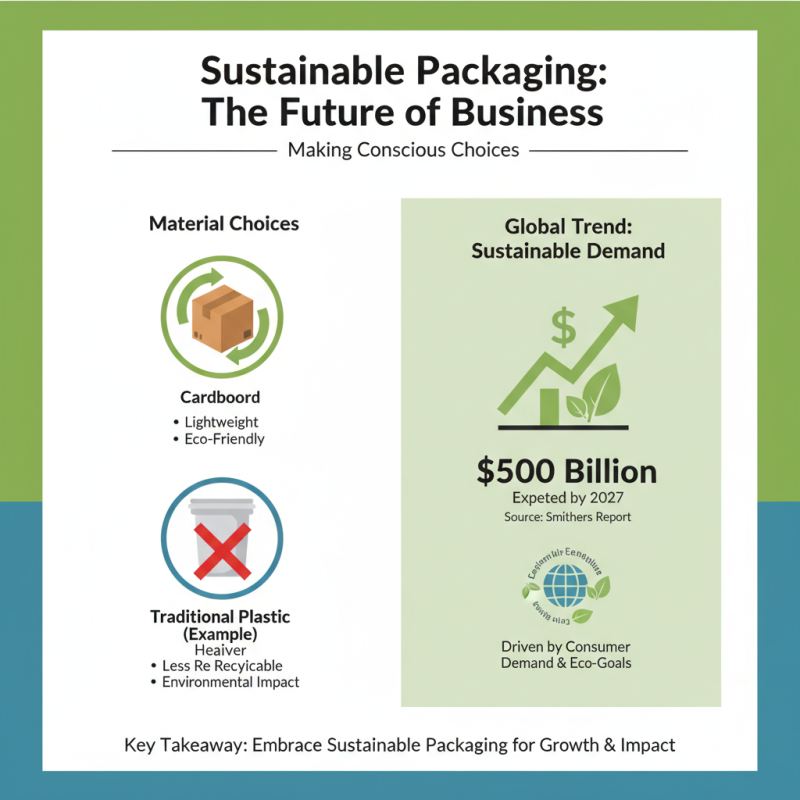
When selecting packaging materials, businesses face various choices. Different materials have unique strengths and weaknesses. For instance, cardboard is lightweight and recyclable, making it an eco-friendly option. A report from Smithers states that the global demand for sustainable packaging is expected to reach $500 billion by 2027. This illustrates the rising trend toward environmentally conscious materials.
Plastic is another common choice. Though versatile and durable, it has environmental implications. A 2022 study indicated that around 300 million tons of plastic waste is generated every year. It raises questions about the long-term impact on our planet. As consumer awareness increases, businesses must reflect on their use of plastic.
Glass offers a premium feel. It's impervious to gases and moisture, ensuring product freshness. However, it can be heavy and costly. Data from the Packaging Industry Association shows that 43% of businesses favor glass for high-end products. Balancing cost, functionality, and sustainability continues to challenge many companies. Choosing the right packaging requires careful consideration of these factors.
Evaluating Cost-Effectiveness and Budget Constraints
When evaluating packaging solutions, cost-effectiveness is crucial. The global packaging market is projected to reach over $500 billion by 2026, according to industry reports. Businesses face pressure to find efficient packaging that meets budget constraints. An analysis shows that packaging accounts for about 10% of product cost.
Investing in the right packaging can reduce waste and improve efficiency. For example, a recent study found that smarter design can decrease material costs by 15% without compromising quality. Companies need to consider not just the price tag, but long-term savings. Standardizing packaging processes may yield further savings, offering a clearer budget outlook.
It’s essential to balance cost with environmental impact. Sustainable packaging may seem pricier upfront but often leads to cost savings in waste management. Research highlights that 73% of consumers prefer sustainable packaging, which can drive sales. Businesses should reevaluate their packaging strategies regularly. Finding that sweet spot between cost and value can be tricky.
Assessing Environmental Impact and Sustainability Options
Choosing sustainable packaging is crucial today. Companies must consider their environmental impact. According to a recent study by the World Economic Forum, packaging waste accounts for nearly 30% of global waste. This statistic shows the urgency of improving our practices. Many consumers prefer eco-friendly products. In fact, 66% of them are willing to pay more for sustainable packaging.
Sourcing materials wisely plays a key role. Biodegradable materials reduce landfill contributions. Recyclable options help close the loop. However, not all recyclable materials are processed correctly. A report by the Ellen MacArthur Foundation highlights that only 14% of plastic packaging is recycled effectively. Businesses must assess local recycling capabilities before committing. This reflection challenges companies to balance cost, functionality, and sustainability.
Innovation in packaging design also matters. Lightweight designs reduce transportation emissions. However, cost implications can deter change. Businesses often hesitate to switch to greener options without guaranteed returns. It raises questions about prioritizing sustainability over profit. Understanding the environmental footprint is vital. Regular assessments and adjustments can help businesses strive for a smaller impact.
How to Choose the Best Packaging Solutions for Your Business Needs? - Assessing Environmental Impact and Sustainability Options
| Packaging Type |
Material |
Recyclability |
Sustainability Rating |
Cost (per unit) |
| Cardboard Box |
Corrugated Cardboard |
Yes |
A |
$0.30 |
| Plastic Wrap |
Polyethylene |
Partial |
B |
$0.10 |
| Glass Jar |
Glass |
Yes |
A+ |
$0.50 |
| Paper Bag |
Kraft Paper |
Yes |
A |
$0.20 |
| Biodegradable Pouch |
PLA |
Yes |
A+ |
$0.40 |
Choosing the Right Supplier for Your Packaging Needs
Choosing the right supplier for your packaging needs is crucial. The packaging industry is projected to reach $1 trillion by 2024, highlighting its importance. However, not all suppliers offer the same reliability and quality. It's essential to weigh your options carefully.
Look for suppliers with a proven track record. A report from Smithers Pira indicates that 70% of consumers are influenced by packaging design. This shows how significant packaging is to brand perception. Ask suppliers for samples. Evaluate material quality. Sometimes, what looks good doesn't perform well. Understand their production capacity too. Are they flexible during peak seasons? A lack of responsiveness can hinder your operations.
Sustainability is another factor. More than 50% of consumers prefer eco-friendly packaging, according to recent studies. Suppliers should offer sustainable options that align with your business values. Be wary of pricing that seems too low; it often indicates compromised quality. Regular audits of suppliers can help ensure ongoing compliance with your standards. Overall, finding the right partner is about balancing quality, cost, and values.