How to Create Effective Packaging Design for Global Buyers?
In today's competitive marketplace, effective packaging design is crucial for attracting global buyers. According to recent data from Smithers Pira, the global packaging market is expected to reach $1 trillion by 2026. This statistic highlights the immense value of innovative designs that resonate across cultures. Effective packaging serves not just to contain a product, but to communicate brand values and engage consumers.
Research indicates that about 72% of consumers consider packaging design when making a purchase decision. This insight reveals the need for brands to prioritize aesthetics and functionality in their packaging strategies. However, many companies still struggle with common pitfalls. For instance, using overly complex designs can detract from a product’s message. Additionally, failing to consider local preferences can alienate potential customers, leading to missed opportunities.
Ultimately, creating packaging that is effective for a global audience requires deeper understanding and adaptability. As markets evolve, so too should packaging design strategies. Observing successful case studies and consumer feedback can guide businesses in refining their approaches. Striving for improvement in packaging design can significantly enhance a brand’s market presence and appeal.
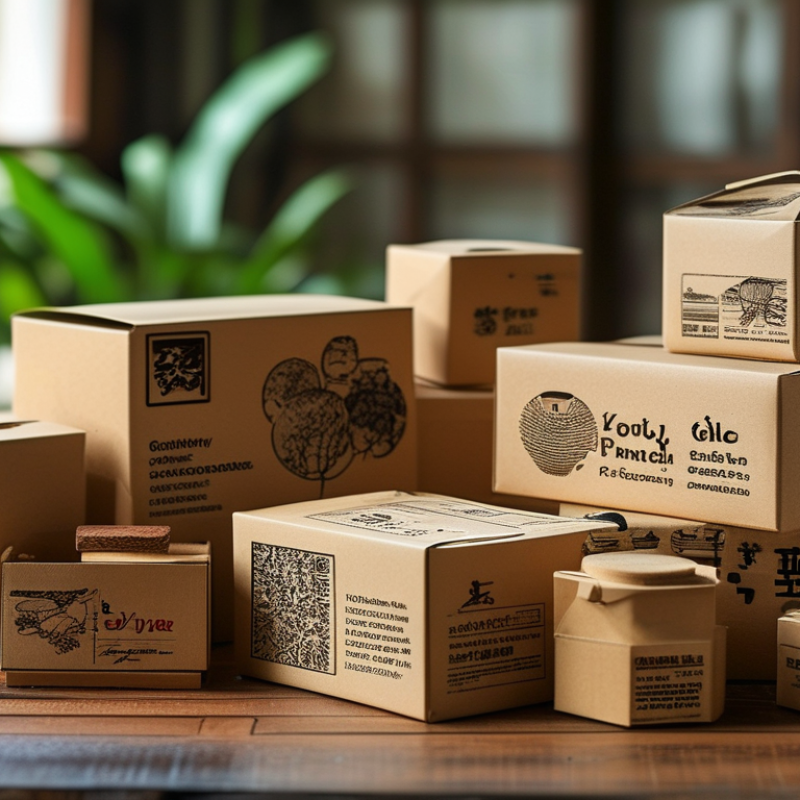
Understanding the Importance of Packaging Design in Global Markets
Packaging design plays a crucial role in global markets. It is not just a cover for a product; it communicates brand values and product quality. Clear and attractive packaging can make a product stand out. Buyers often make quick judgments based on packaging. If the design is confusing or unattractive, potential customers may overlook the product.
Consider cultural differences in packaging. Colors, symbols, and text can have different meanings across cultures. For example, white can represent purity in some cultures, but mourning in others. Understanding these nuances can enhance market acceptance. Additionally, think about the materials used. Sustainable packaging is gaining traction worldwide. Buyers appreciate brands that invest in eco-friendly solutions.
When creating packaging, focus on functionality. Easy-to-open designs can improve customer satisfaction. Consider using recyclable materials to address environmental concerns. A practical design can create a positive user experience, fostering brand loyalty. However, keep testing your ideas. Not every design works perfectly across all markets. Gather feedback regularly to refine your packaging approach.
Researching Cultural Preferences and Trends for Targeted Audiences
Creating effective packaging design for global markets requires a keen understanding of cultural preferences and trends. Different regions have distinct tastes and expectations. For instance, a 2022 report revealed that 74% of consumers are influenced by packaging design when making a purchase. This highlights the need for targeted research.
Understanding the colors and symbols that resonate in each market is crucial. For example, red signifies luck in China but can imply danger in other cultures. Packaging designs that reflect the local culture foster emotional connections. It can drive brand loyalty, making the product feel more relatable.
To create compelling designs, conduct surveys and focus groups within your target demographics. This will provide valuable insights into local preferences and habits. Testing various elements can help identify what resonates best. Also, remember that sustainability is a growing concern globally. A study showed that 66% of global consumers are willing to pay more for sustainable packaging. Understanding these dynamics can inform a more effective design strategy.
Utilizing Sustainable Materials for Eco-Friendly Packaging Solutions
Sustainable packaging is not just a trend; it’s a necessity in today’s market. Recent studies show that 74% of consumers are willing to pay more for sustainable packaging. This shift in consumer behavior highlights the importance of eco-friendly materials. Brands that utilize recycled or biodegradable options often outperform competitors who stick to traditional methods.
Materials like plant-based plastics or paper made from recycled fibers have gained popularity. They reduce environmental impact while appealing to eco-conscious shoppers. However, it's critical to ensure these materials maintain product integrity. Research indicates that 60% of consumers prefer packaging that is both sustainable and functional. Developers can improve designs with innovations such as compostable films and edible coatings, which can enhance user experience while minimizing waste.
There’s still a long way to go. Many companies face challenges in sourcing reliable sustainable materials. Additionally, not all “eco-friendly” labels are created equal. Transparency is key to building trust. Brands must provide clear information about their packaging sources and processes. Addressing these issues can pave the way for creating packaging that truly resonates with global buyers.
Creating Visually Appealing Designs that Communicate Brand Identity
Creating visually appealing designs that communicate brand identity requires a clear understanding of the target audience. Color choice plays a significant role in this process. Different cultures perceive colors in unique ways. For instance, a color that represents luck in one country may symbolize mourning in another. It's essential to research how your target market relates to various colors.
Imagery is also crucial for effective packaging design. Photographs and graphics should align with your brand’s values. Consider using local imagery to resonate with your audience. This approach can enhance emotional connections. However, overloading packaging with too much imagery can lead to confusion. Striking a balance is essential.
Typography is another vital element. Fonts should be legible yet reflect your brand's personality. A creative font can attract attention, but poorly chosen typography can repel customers. Regularly reassessing your choices can lead to improvements. Gathering feedback from diverse groups can highlight issues that may not be obvious. This iterative process helps evolve your packaging to better communicate your identity.
Testing and Evaluating Packaging Designs for Market Effectiveness
Testing and evaluating packaging designs is crucial for market success. Start by gathering diverse feedback from potential global buyers. Create prototypes that showcase different designs and materials. Use focus groups to gauge visual appeal. Observations and discussions can shed light on preferences that data alone may miss.
Conduct A/B testing with various audiences. Measure their responses to different elements. Analyze which packaging designs catch attention. Take note of features that resonate most. Sometimes, what looks good on the surface doesn’t translate well in real-life scenarios. Feedback might reveal unexpected preferences or cultural nuances.
Iterate based on insights. It’s essential to stay adaptable. Packaging design is often a trial-and-error process. You might need to refine color choices or typography based on user reactions. Engaging with users creates a dialogue that can guide improvements. Remember, effective packaging should not only look appealing but also communicate value and function clearly.