10 Essential Tips for Effective Packaging Design Strategies?
In today's competitive market, effective packaging design can determine a product's success. The global packaging market is projected to reach $500 billion by 2026, according to Smithers Pira. Consumers respond positively to innovative and functional designs. An intriguing package often prompts more purchases than a non-engaging one. Brands must craft packaging strategies that not only catch attention but also communicate their values.
Yet, many companies overlook the power of packaging design. A recent study revealed that 72% of American consumers say packaging influences their purchase decisions. This statistic emphasizes the urgency for brands to invest in well-thought-out packaging solutions. A single flaw in design can lead to consumer distrust. Brands should continually assess their packaging choices to ensure they resonate with their target audience.
Creating impactful packaging requires a balance of aesthetics and functionality. It's not just about looking good; the packaging must protect the product too. Striking this balance invites reflection on what works and what doesn't. Some brands might find their designs lack user-friendliness. Others might face challenges with sustainability. All these factors highlight the complexity of effective packaging design strategies.
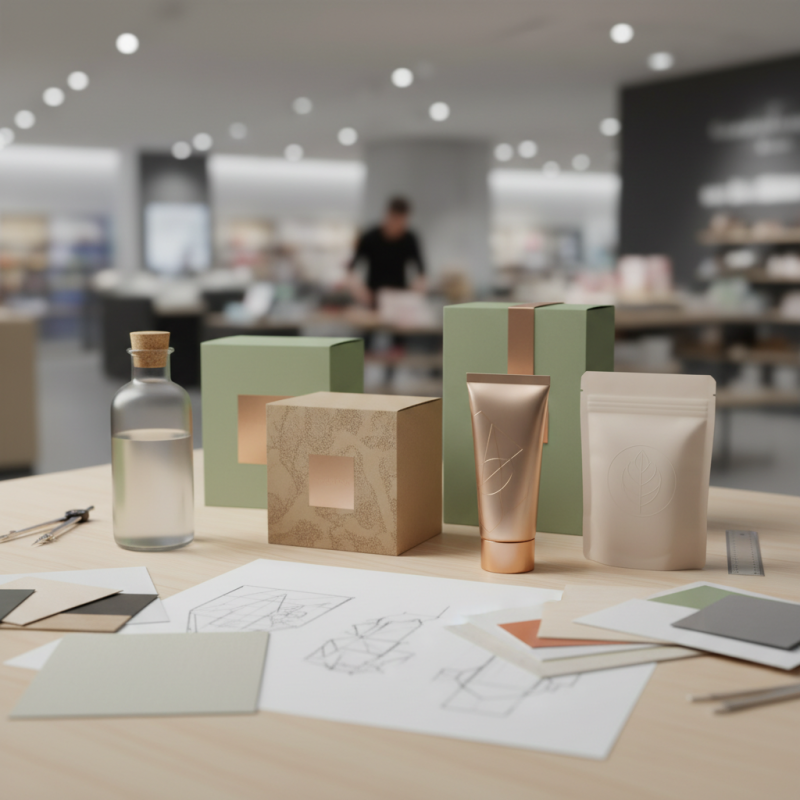
Understanding the Importance of Packaging Design in Marketing
Packaging design plays a crucial role in marketing.
It’s often the first interaction customers have with a product. A well-designed package captures attention and communicates a brand's essence. This visual appeal can significantly influence purchasing decisions. With fierce competition, standing out is essential.
One essential tip is to focus on clarity. Consumers should instantly understand what your product is. Overly complex designs can confuse potential buyers. Additionally, consider sustainability. Eco-friendly packaging can resonate well with conscious consumers. It shows responsibility, which many appreciate.
Experimenting with colors and shapes can make a big difference. Colors evoke emotions and convey messages. Unique shapes can enhance shelf visibility. However, ensure that creativity does not compromise functionality. All aspects of packaging must work harmoniously to fulfill their purpose. Each element should encourage customers to choose your product over others. Engage with feedback to improve designs continually.
Key Elements of Effective Packaging that Attract Consumers
Packaging design plays a crucial role in attracting consumers. The look and feel of a package can influence buying decisions. Colors, shapes, and textures create the first impression. Bold colors can catch attention on crowded shelves. Simple, clean designs often convey clarity. But not every design hits the mark. Sometimes, too much information overwhelms the consumer. Minimalism can be effective, but it may come off as bland. Designers must balance simplicity and detail.
Imagery is another vital element. Eye-catching graphics can tell a story. They can evoke emotions and spark curiosity. However, misaligned graphics may confuse the audience. It's essential to ensure that the imagery aligns with the product's message. Using eco-friendly materials is also gaining popularity. Many consumers appreciate sustainable packaging. Yet, sustainability should not compromise aesthetics. A package can still be attractive and environmentally conscious.
Typography is equally important. The right font can enhance readability and brand identity. It should reflect the product's personality. However, sometimes designers get too creative. Unusual fonts might look great but can complicate comprehension. Testing different options can be enlightening. Ultimately, effective packaging design requires reflection and refinement. Listening to consumer feedback can lead to better results.
Researching Your Target Audience for Tailored Packaging Solutions
Understanding your target audience is key to effective packaging design. What resonates with one group may not work for another. Start with surveys or interviews. Use social media to gauge preferences. Consider demographics, lifestyle, and purchasing habits. A young audience may prefer vibrant colors, while older consumers might favor classic designs.
Gather insights from your research. Analyze the data to identify trends. This process can be messy. Not all data will clearly point to solutions. Sometimes, it requires trial and error. Create mockups and gather feedback. Iterate based on responses. This will help refine your approach.
Dive deeper into consumer emotions. What feelings does your product evoke? Packaging is more than just a barrier; it tells a story. Think about textures and sustainability. How do these factors connect with your audience's values? Your design should reflect these insights. Engage, reflect, and adjust as necessary.
10 Essential Tips for Effective Packaging Design Strategies
Choosing Sustainable Materials for Modern Packaging Design
In the realm of packaging design, sustainability is no longer optional. Consumers demand eco-friendly choices. This necessitates the use of sustainable materials that minimize environmental impact. Biodegradable plastics and recycled paper are becoming prominent. However, sourcing these materials can be challenging. Many designers face hurdles in finding reliable suppliers.
Sustainable packaging should also consider the lifecycle of the product. It’s not just about what's used; it’s about what happens to it after. Will it break down naturally? Or will it contribute to waste? A good design should provide clear information on disposal methods. Transparency in materials could enhance brand trust.
Adopting innovative materials like plant-based polymers can shift perceptions. Yet, encounters with limitations persist. Some bioplastics may not hold up against traditional options in durability. Designers must weigh performance versus sustainability. Every choice has trade-offs. Developing a sustainable packaging strategy requires ongoing evaluation and reflection.
Testing and Iterating Packaging Concepts for Optimal Results
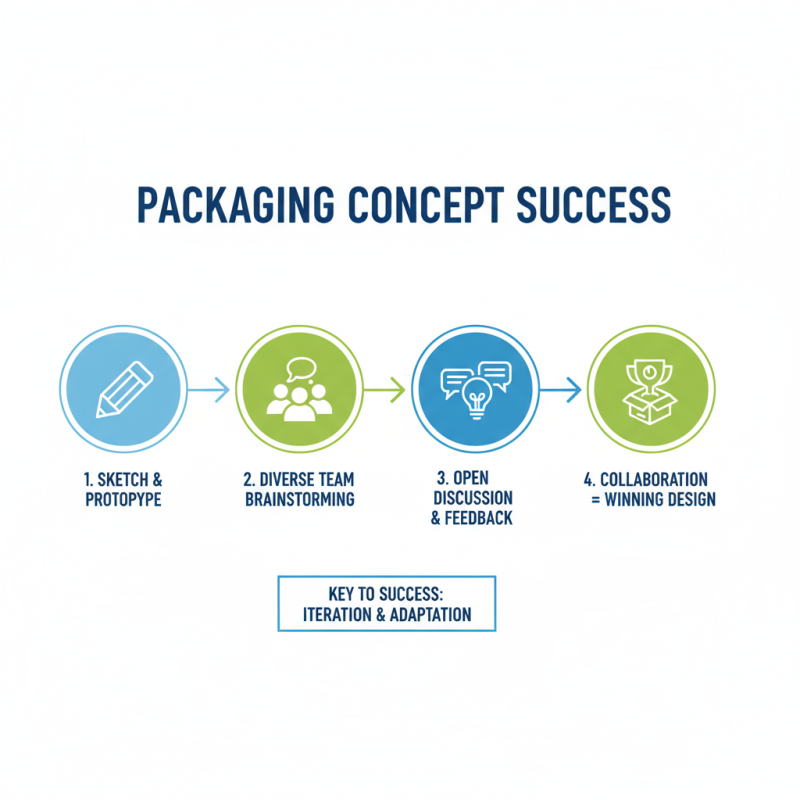
Testing packaging concepts is crucial for success. You can start with sketches and prototypes. Gather a diverse team for brainstorming. They can bring different perspectives to the process. Engage in open discussions with team members. Share ideas and feedback. This collaboration is key to finding the right design.
After initial concepts, create mock-ups. This helps visualize the design in a tangible form. Show these to potential users for their opinions. Listen closely to their reactions. Focus on aspects like color, usability, and aesthetics. What do they like? What confuses them? Sometimes the unexpected feedback can lead to improvements.
Iterate based on user feedback. Don’t be afraid to make changes, even if it feels daunting. Expect that some ideas may fail. Reflect on why they didn’t work. Adjusting designs can take time, but it’s necessary for optimizing results. Continuous testing will ultimately lead to a better final product that resonates with your audience.