How to Optimize Your Packaging Design for Better Sales?
In today's competitive market, effective packaging design plays a critical role in driving sales. According to a study by Nielsen, 64% of consumers make purchasing decisions based solely on packaging. This statistic highlights the significance of how products are presented. Packaging design should be eye-catching, functional, and informative. Subpar designs can lead to lost sales opportunities, as consumers may overlook products that fail to stand out.
A focus on sustainability is also essential. Research from McKinsey shows that 66% of consumers prefer eco-friendly packaging options. This shift in consumer preference pressures brands to rethink their packaging strategies. Innovative packaging can enhance brand perception and loyalty. Yet, many companies struggle to find the balance between aesthetics and functionality.
Revisiting your packaging design is vital. Poorly designed packages can lead to frustrating user experiences. For instance, difficult-to-open packaging can deter customers. Continuous evaluation and testing are necessary to optimize designs. Striving for improvement should be a core objective for any brand seeking to boost sales through effective packaging design.
Understanding the Importance of Packaging Design in Sales Performance
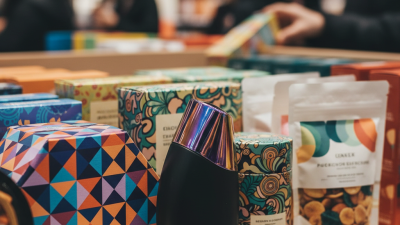
Packaging design plays a critical role in a product's sales performance. It's often the first thing a customer notices. Effective packaging can attract attention on crowded shelves. Bright colors, unique shapes, and clear information can make a significant difference. However, even the best design can fail if it doesn’t align with the product itself. Focusing solely on aesthetics might overlook important functionality.
A successful design communicates the brand’s message. It should tell a story, evoke emotions, and connect with the consumer. Yet, there are pitfalls. Overcomplicating a design can confuse customers. If the message is unclear, potential buyers might walk away. Balancing creativity with clarity is essential. Great design isn’t just about looking good; it should enhance user experience.
Consider the materials used in packaging. Sustainable choices draw in conscious consumers. However, they may also increase costs. Achieving a balance here can be challenging. It’s vital to assess feedback and make necessary adjustments. What works today might need re-evaluation tomorrow. Effective packaging design requires ongoing reflection and adaptation.
Identifying Your Target Audience and Their Preferences for Packaging
To optimize packaging design effectively, identifying your target audience is crucial. A study by Packaging Strategies found that 72% of consumers consider packaging design when making a purchase decision. This statistic underscores the importance of creating appealing and relevant packaging. Understanding your audience's preferences can elevate their shopping experience and increase sales.
Different demographics respond to packaging in diverse ways. For instance, millennials often prefer sustainable materials. Research from Nielsen indicates that 73% of millennials are willing to pay more for eco-friendly products. This insight pushes brands to rethink materials and designs. However, companies sometimes overlook this, missing a significant opportunity to connect with their target audience.
Additionally, colors and typography matter. According to a study by color experts, 85% of consumers make snap judgments based on color alone. Bright colors attract attention, while elegant fonts convey luxury. Yet, many brands default to generic designs, failing to reflect their audience's aesthetics. This gap highlights the need for constant market research and audience engagement to refine packaging strategies.
Key Elements of Effective Packaging Design: Color, Shape, and Material
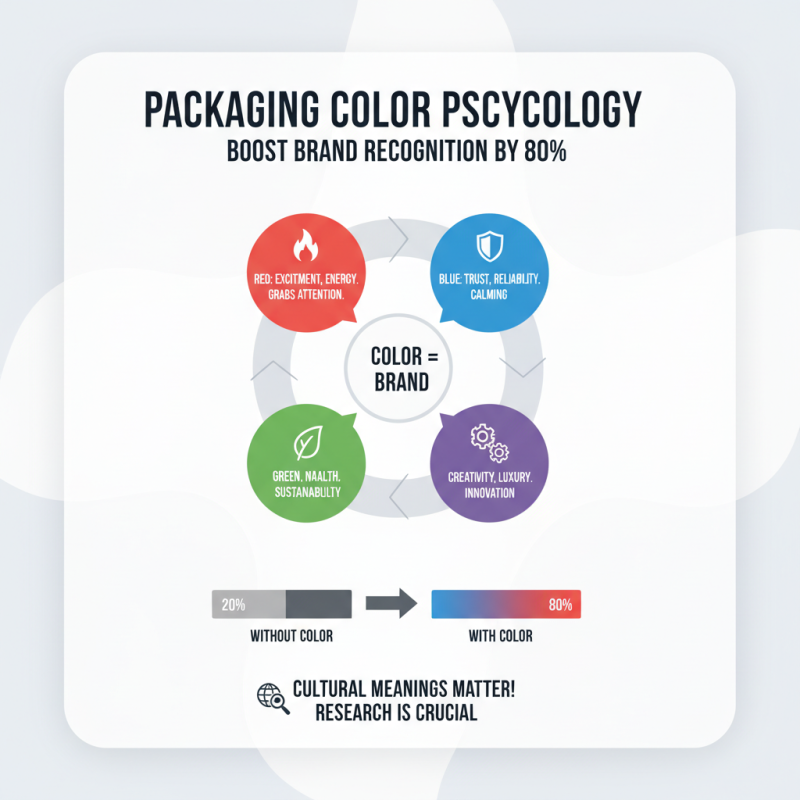
Color plays a vital role in packaging design. Studies show that colors can increase brand recognition by up to 80%. For instance, red evokes excitement, while blue conveys trust. The right color can grab attention quickly, which is crucial in a crowded market. However, some brands often overlook the cultural meanings of colors. A hue that works well in one region might alienate customers in another. This highlights the importance of thorough market research when choosing colors for packaging.
Shape also significantly influences consumer behavior. Unique and innovative shapes can stand out on shelves. Research indicates that products with distinctive shapes can increase sales by 40%. However, striking a balance is essential. A too complex shape may confuse customers about the product inside. Brands must ensure the shape complements functionality while appealing to aesthetics.
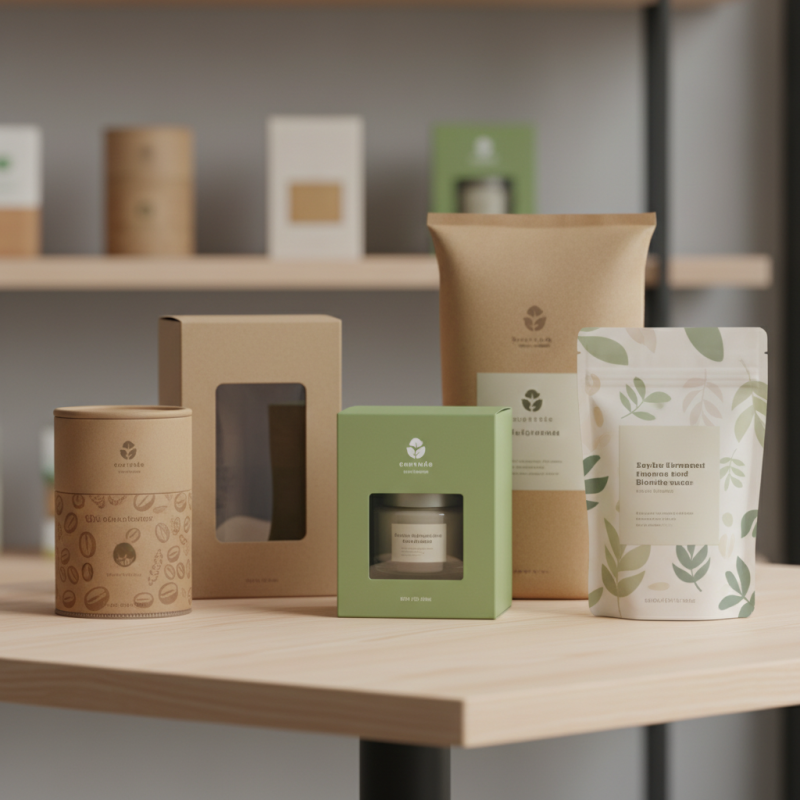
Material selection can impact sustainability and customer perception. According to reports, 74% of consumers prefer eco-friendly packaging. Brands opting for sustainable materials might attract a more environmentally conscious audience. Yet, not all materials perform equally. Some bio-based materials lack durability and can compromise product safety. Manufacturers need to evaluate both aesthetic appeal and functionality. Failing to do so could lead to wasted resources and missed sales opportunities.
Integrating Branding Consistency into Your Packaging Design Strategy
Creating a cohesive packaging design can significantly impact your sales. Each element of your packaging must reflect your brand identity. Think about colors, fonts, and imagery. They should align with your overall brand message. Inconsistencies can confuse customers. For example, a playful logo paired with a sleek, serious design may send mixed signals.
Branding consistency also builds trust. Customers are more likely to buy from brands they recognize. Packaging that differs greatly between products can make them question your brand's reliability. Each time they see your product, it should evoke familiarity. Consider using similar layouts or design patterns across your product line.
Sometimes, striving for uniqueness can lead to off-brand choices. A design that stands out may stray from your established aesthetic. Regularly review your packaging. Seek feedback from your target audience. Their insights might highlight areas that need alignment. Ensure your packaging tells a cohesive story, reinforcing the brand message without losing your creative edge.
How to Optimize Your Packaging Design for Better Sales?
| Design Element |
Importance Level (1-5) |
Branding Consistency (%) |
Sales Increase (%) |
| Color Scheme |
5 |
85 |
30 |
| Typography |
4 |
80 |
25 |
| Logo Placement |
5 |
90 |
35 |
| Material Quality |
5 |
75 |
40 |
| Unboxing Experience |
4 |
70 |
28 |
Testing and Analyzing Packaging Options for Optimal Sales Results
Testing packaging options is crucial for driving sales. Research shows that 72% of consumers form their first impression of a product based on its packaging. Colors, fonts, and materials matter. For example, a study revealed that packaging color can increase brand recognition by 80%. Brands often overlook this simple fact. Choosing the right shade could directly impact sales.
Analyzing customer feedback is essential. Many brands gather consumer insights through surveys and A/B testing. A recent report indicated that 56% of consumers avoided purchases due to unappealing packaging. This should raise questions about current designs. Is the packaging too complicated or bland? Regularly revisiting packaging can uncover hidden issues. Small tweaks may lead to significant profits.
Measuring sales performance after redesigns provides clarity. Track metrics like conversion rates and customer retention. One study found that brands that frequently update packaging see a 30% increase in sales. This suggests a need for ongoing experimentation. The goal is to create appealing, functional packaging that addresses consumer desires. Embrace data analysis as a path to refinement.