Takeaway Food Boxes Tips for Optimal Packing and Delivery
The rise of takeaway food boxes has transformed the food delivery industry. According to a recent report by Market Research Future, the global takeaway food market is expected to grow at a rate of 18% annually. This surge highlights the importance of efficient packing and delivery methods. As industry expert Mark Thompson notes, "The way we pack and deliver takeaway food significantly impacts customer satisfaction."
Optimal packing techniques are crucial. Properly designed takeaway food boxes keep meals fresh and visually appealing. However, many businesses overlook the importance of durability and insulation. A single spill can lead to customer complaints and lost trust. Statistics show that 40% of consumers are dissatisfied with food quality upon delivery, indicating a pressing need for improvement.
Understanding customer preferences is essential. Takeaway food boxes should reflect the cuisine and cater to various dietary requirements. Moreover, reflecting on past experiences can inform better practices. Many establishments struggle with balancing speed and quality. By prioritizing the integrity of takeaway food boxes, businesses can avoid common pitfalls and stand out in a competitive market.
Tips for Choosing the Right Takeaway Food Boxes
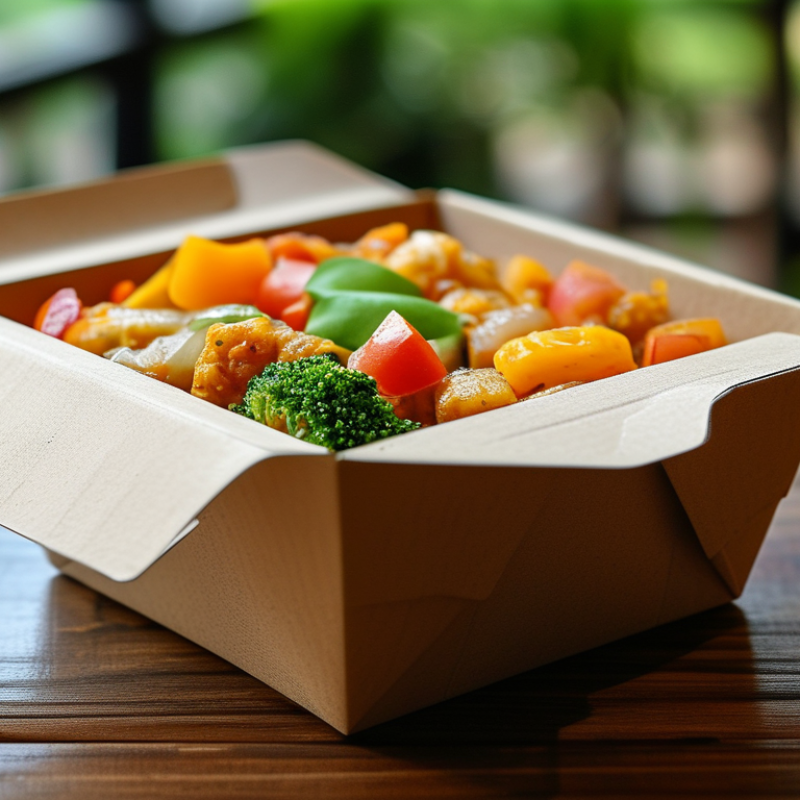
Choosing the right takeaway food boxes can greatly enhance the overall delivery experience. Start by considering the materials. Strong, insulated boxes keep food fresh and maintain temperature. Cardboard is lightweight, but plastic can offer better insulation. Eco-friendly options are increasingly popular among consumers. They align with sustainability trends but may vary in durability.
Next, think about size and shape. Boxes should fit the food snugly to prevent shifting during transport. Avoid overly large containers as they can lead to spills. Versatile designs, with compartments, help keep different food items separate, preserving taste and presentation. Remember, customers love to see appealing packaging. It reflects the quality of the food.
Finally, don’t overlook the importance of branding. Simple, elegant designs can leave a lasting impression. Test various styles to see customer preferences. However, be cautious of overcomplicating the box design. An overloaded box may confuse customers. Gathering feedback on your packing choices can reveal what works best.
Best Practices for Packing Different Types of Cuisines
When it comes to packing takeaway food, different cuisines require unique considerations. For Asian dishes like sushi or ramen, keeping ingredients separate is crucial. This prevents sogginess and ensures freshness. Use leak-proof containers for broth-heavy meals. It’s also wise to include chopsticks or spoons, which enhances the overall experience.
For Italian cuisine, such as pasta, choose heat-retaining containers. Using foil-wrapped lids can maintain warmth. Side items like garlic bread should be packed separately to avoid becoming too soft. For salads, use smaller containers for dressings to keep greens crisp. Attention to detail here can significantly impact customer satisfaction.
Mexican food often involves multiple components, like tacos and salsas. Wrap tacos securely in foil to avoid leakage. Store salsas in tightly sealed containers to prevent spills. An oversight in sealing can lead to messy deliveries. Each type of cuisine presents its challenges. Reflecting on past delivery experiences can enhance future packing strategies.
Essential Packing Materials for Safe and Fresh Delivery
When it comes to takeaway food boxes, selecting the right packing materials is crucial. According to a recent industry report, about 40% of consumers have reported receiving cold or soggy food due to poor packaging. This highlights the need for materials that maintain temperature and freshness during transit.
Insulated containers, such as foam or thermal bags, can keep hot foods hot and cold foods cold. Additionally, waterproof materials are essential for preventing spills. A study showed that packaging failures can lead to a decrease in customer satisfaction by 30%. Sturdy boxes that can withstand pressure and stacking are also important. If the food is crushed or damaged, customers are likely to feel disappointed.
Another aspect to consider is sustainability. Many consumers prefer eco-friendly packaging. Approximately 70% of diners are willing to pay more for sustainable options. However, it can be challenging to find materials that are both protective and environmentally friendly. Striking a balance is a constant challenge. As the industry evolves, ongoing reflection on packaging choices remains key to enhancing customer experiences while ensuring safety and sustainability.
Takeaway Food Box Delivery Performance - Packing Material Usage
Effective Delivery Methods to Preserve Food Quality
Effective delivery methods are crucial in maintaining food quality during transport. Research shows that nearly 30% of food quality diminishes during delivery. This often occurs due to inadequate temperature control. Keeping meals at the right temperature can prevent spoilage and preserve flavor. Using insulated boxes can help maintain warmth for hot foods and chill for cold items.
Transportation time also plays a significant role. According to a study by the National Restaurant Association, delivery times exceeding 30 minutes impact food taste and texture negatively. It is essential to optimize route planning to reduce transit time. Using GPS tracking and real-time updates can improve efficiency and customer satisfaction.
In the realm of takeaway food, packaging materials matter. Eco-friendly, breathable containers help prevent sogginess in fried items. However, some materials may not provide adequate insulation. Balancing sustainability and functionality is a challenge. Clear communication with customers about delivery times and methods can reduce frustrations. Engaging with customer feedback can also yield insights into improving the delivery process.
Takeaway Food Boxes Tips for Optimal Packing and Delivery
| Packing Method | Food Type | Delivery Time (hrs) | Temperature Control | Recommended Packaging |
| Vacuum Sealing | Meat Dishes | 2 | Chilled (0-4°C) | Vacuum pouches |
| Insulated Boxes | Hot Soups | 1 | Hot (above 60°C) | Thermal containers |
| Biodegradable Containers | Salads | 3 | Cool (5-10°C) | Plant-based trays |
| Tightly Sealed Jars | Desserts | 4 | Room Temp (18-22°C) | Glass jars |
| Clam Shells | Grilled Vegetables | 2 | Cool (5-10°C) | Plastic clam shells |
Customer Considerations for Takeaway Food Orders
When ordering takeaway food, customers often face challenges. The importance of packaging cannot be overlooked. Good packaging keeps food fresh and safe. Customers want their meals to arrive at the proper temperature. If pizza arrives cold, it loses its appeal. Leak-proof containers are essential, especially for sauces and soups.
Delivery time is another crucial factor. Delays can lead to unsatisfied customers. They may not order again if their favorite dish arrives late. Having realistic delivery times helps manage expectations. Clear communication during this process is vital. Sometimes, food may look different than expected. Customers should feel comfortable reaching out for clarity if needed.
Not all foods travel well. Some dishes need extra care in packing. Customers should think about what they order with this in mind. Certain items may suffer during delivery. Understanding this can enhance the takeaway experience, making it better for everyone involved.

